Understanding Track Inspection: Importance and Benefits
Track inspection is a critical process that ensures the safety and efficiency of railway operations. It involves systematically evaluating the track's condition to identify potential issues that could jeopardize safety or operational efficiency. Conducting regular inspections can help mitigate risks associated with railway travel and transportation of goods. In this article, we will delve into the significance, methodologies, and best practices surrounding Track Inspection.
Why Track Inspection is Critical for Safety
The primary objective of track inspection is to maintain safety for both passengers and freight. Faulty tracks account for a significant number of rail accidents, including derailments and collisions. Therefore, early identification of track irregularities or defects can prevent major accidents. Inspectors look for problems such as misalignment, deformation, or wear and tear that could compromise the structural integrity of the track. Proactive inspections serve as a safeguard, reducing the likelihood of catastrophic incidents and ensuring a smooth and safe journey for all users of the rail system.
Benefits of Regular Track Inspections
Implementing a robust schedule for Track Inspection brings numerous benefits:
- Enhances Safety: Regular inspections can prevent accidents by detecting hazards early.
- Cost-Effective: Maintaining a preventive approach saves costs on emergency repairs and loss of service.
- Improves Efficiency: Operating on well-maintained tracks reduces delays caused by mechanical failures.
- Increases Lifespan: Frequent checks can prolong the life of railway assets, leading to lower capital expenditure.
- Regulatory Compliance: Following inspection protocols helps ensure adherence to legal and industry standards.
Common Issues Identified During Inspections
Track inspectors encounter various issues during their assessments. Some of the most common include:
- Track Misalignment: Tracks can shift due to ground movement or poor installation, leading to dangerous conditions.
- Surface Cracks: Cracks can develop in the rail due to fatigue, requiring immediate attention to prevent further deterioration.
- Ballast Problems: The track's foundation material may become unsuitable, compromising stability.
- Wear on Rails: Over time, rails experience wear due to friction and stress from passing trains.
- Vegetation Overgrowth: Unchecked vegetation can obstruct visibility and track access.
Methods and Technologies in Track Inspection
Track Inspection methodologies can range from traditional manual checks to advanced technological solutions. Understanding the available methods helps organizations align their inspection efforts with the latest best practices.
Traditional vs. Modern Inspection Techniques
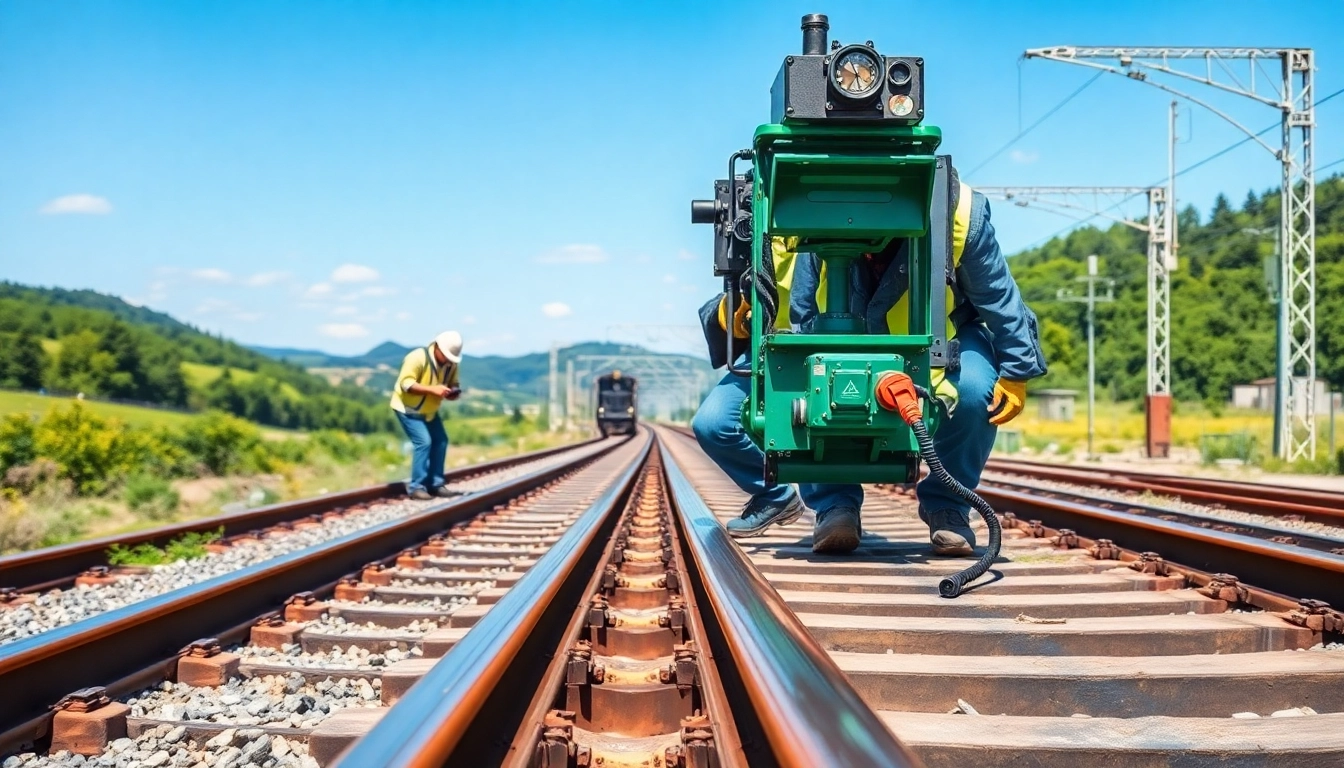
Traditional inspection methods typically involve manual visual checks by trained personnel. Inspectors examine the track physically, noting any visible signs of damage or wear. Although this method can effectively identify obvious issues, it has limitations in terms of scale and thoroughness.
Modern inspection techniques utilize technology to enhance the inspection process. These can include automated track geometry cars that continuously monitor track conditions while trains are in motion, providing data collection at high speeds and improving efficiency significantly.
Innovative Tools Enhancing Track Inspection
Several innovative tools are reshaping how Track Inspection is conducted:
- Rail scanning systems: These devices use ultrasound to inspect the internal integrity of rails, revealing hidden flaws.
- Portable measurement devices: Digital gauges can measure track geometry parameters such as gauge, cant, and alignment accurately.
- Visual inspection drones: Drones equipped with high-resolution cameras can survey large areas quickly, identifying issues that may need attention.
Drones and Digital Solutions in Track Inspection
Drones offer a transformative approach to track inspections. They can capture aerial imagery and videos of track conditions, providing an expansive view that is difficult to achieve through ground inspections. The data collected by drones can be analyzed in real-time, enabling quicker decision-making regarding maintenance needs. In addition, integrating machine learning and artificial intelligence can enhance the predictive capabilities of inspection analyses, identifying potential failures before they occur.
Implementing a Track Inspection Plan
Creating an effective Track Inspection plan involves a series of methodical steps to ensure thorough and consistent evaluations.
Steps to Create an Effective Inspection Schedule
An effective inspection schedule should consider several factors:
- Determine Inspection Frequency: Depending on the rail traffic and environmental conditions, decide how often inspections are needed.
- Assign Responsibilities: Clearly define roles among the inspection team to establish accountability.
- Document Procedures: Write down the inspection processes so they can be consistently followed.
- Utilize Technology: Integrate digital tools for data collection and analysis to enhance the effectiveness of inspections.
Training Personnel for Track Inspection Tasks
Well-trained personnel are essential for effective Track Inspection. Training should include:
- Safety Protocols: Emphasize the importance of safety measures during inspections.
- Technical Skills: Equip inspectors with the necessary technical knowledge to operate inspection tools and interpret findings.
- Continuous Education: Offer ongoing training to keep personnel updated on new technologies and best practices.
Best Practices for Documenting Findings
Thorough documentation of inspection findings is key for tracking the history of track conditions and maintenance actions. Best practices for documentation include:
- Standardized Forms: Use uniform templates for report writing to ensure consistency.
- Digital Records: Maintain electronic records for easy access and retrieval.
- Timeliness: Document findings as soon as possible after inspections to ensure accuracy.
Challenges in Track Inspection and Solutions
Despite the importance of Track Inspection, several challenges can hinder the effectiveness of inspection efforts. Addressing these challenges is vital to maintaining railway safety.
Overcoming Environmental Challenges in Track Inspection
Environmental factors such as extreme weather, vegetation, and wildlife can pose significant challenges. To mitigate these issues:
- Schedule inspections during optimal weather conditions.
- Implement vegetation management strategies to ensure clear access to tracks.
- Assess wildlife activity patterns to minimize disruptions during inspections.
Managing Limited Resources for Inspections
Organizations often face budget constraints that limit inspection capabilities. To optimize limited resources:
- Prioritize inspections based on track usage and historical data of failures.
- Utilize technology to maximize efficiency in inspections without increasing costs.
- Leverage partnerships for shared resources or collective inspection efforts.
Addressing Human Error in Inspection Procedures
Human error can lead to oversight, making training and processes critical. To diminish errors:
- Incorporate checklists to guide inspectors during evaluations.
- Implement peer-review systems to ensure accuracy in findings.
- Provide regular feedback and refresher courses on inspection techniques.
Measuring the Success of Track Inspection Initiatives
Evaluating the performance of Track Inspection processes is essential for continuous improvement. Organizations should establish metrics to gauge effectiveness.
Key Performance Indicators for Track Inspection
To measure success, organizations should consider several key performance indicators (KPIs):
- Inspection Completion Rates: The percentage of scheduled inspections successfully completed.
- Defect Detection Rates: The ratio of identified defects to the total inspections performed.
- Response Times: The average time taken to address issues identified during inspections.
- Accident/Incidents Rates: Tracking any accidents or incidents occurring post-inspection can indicate overall effectiveness.
Using Data Analysis to Improve Inspections
Data analysis can provide insights that drive improvements in inspection processes. By analyzing patterns in inspection results:
- Organizations can determine high-risk areas that require more frequent inspections.
- Data can inform predictive maintenance strategies to prevent failures before they occur.
- Retrospective analysis of past inspections can help refine methodologies and approaches.
Feedback Mechanisms for Continuous Improvement
Introducing feedback mechanisms allows organizations to assess the performance of their Track Inspection plans continuously:
- Gather feedback from inspection teams to identify challenges and areas for improvement.
- Solicit performance reviews from operational staff who depend on the effectiveness of the inspections.
- Use insights derived from feedback to adjust training and methodologies accordingly.
Frequently Asked Questions
What is the frequency of track inspections?
The frequency of track inspections depends on usage, environmental factors, and regulations. Generally, regular inspections are recommended for safe operations.
What tools are commonly used in track inspection?
Common tools include visual inspection equipment, rail scanning systems, portable measurement devices, and drones for aerial surveillance.
How do weather conditions affect track inspections?
Severe weather can hinder visibility and access to tracks, which can delay inspections. Scheduling during optimal conditions helps mitigate this issue.
What are the consequences of neglected track inspections?
Neglecting track inspections can lead to serious accidents, service interruptions, costly repairs, and potential legal implications for non-compliance.
What role does technology play in modern track inspections?
Technology enhances track inspections through automation, data analysis, and improved accuracy, enabling quicker and safer evaluations.
Contact Information
Call Us:1 (403) 452-4508Email: [email protected]Address: 3950 Fossil Creek Blvd Suite 106, Fort Worth, TX, USA 76137