Understanding Containerized Wastewater Treatment Systems
In an era where efficient waste management is critical for both environmental sustainability and public health, containerized wastewater treatment systems have emerged as a viable solution for a multitude of wastewater challenges. These fully integrated, pre-engineered systems provide a compact and mobile option for treating wastewater across various applications—from domestic sewage disposal to industrial effluent treatment. Their design allows for quick deployment and operational flexibility, making them particularly valuable in remote or constrained settings.
What Are Containerized Wastewater Treatment Systems?
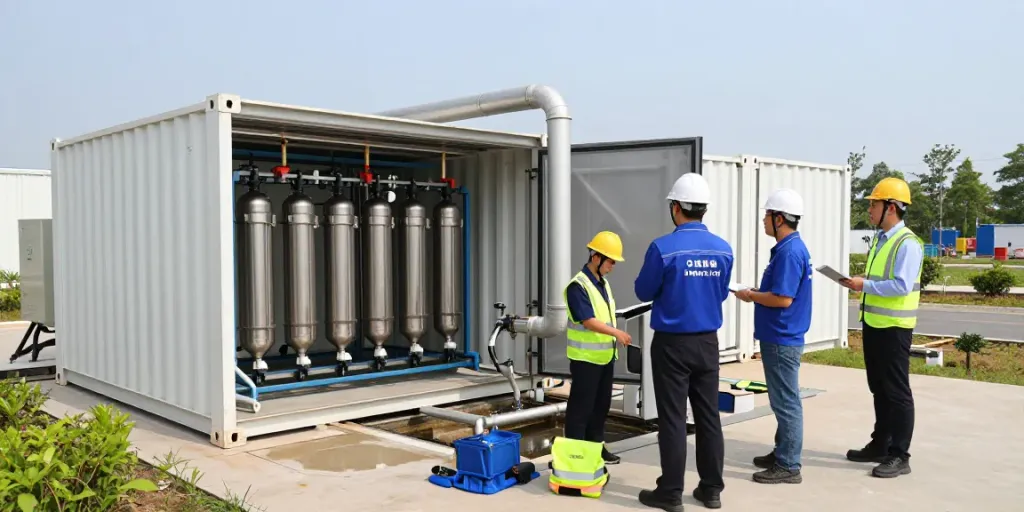
Containerized wastewater treatment systems are modular treatment solutions that house all necessary components for wastewater processing within standard shipping containers. Typically available in 20- or 40-foot sizes, these systems are engineered to be fully integrated, pre-assembled, and ready for operation upon arrival at the site. They provide an efficient alternative to traditional treatment plants, characterized by their ease of transport and swift installation, as well as compliance with environmental regulations.
Key Components and Technologies
The primary components of a containerized wastewater treatment system include:
- Inlet Screening: This mechanism removes large debris and solids from the incoming wastewater stream.
- Biological Treatment Units: Utilizing processes like activated sludge or moving bed biofilm reactors (MBBR), these components benefit from the natural microbial processes that break down organic matter.
- Settling Tanks: Designed to allow solids to settle, these tanks facilitate the clarification of treated water, which is essential before discharge or further treatment.
- Disinfection Units: Employing either UV light or chemical agents, these units ensure that the treated effluent is safe for discharge or reuse.
- Control Systems: Automated systems for monitoring and controlling the various functions of the treatment process.
This modular setup not only simplifies the installation process but also allows for flexibility in operations, enabling users to scale treatment capacity according to demand.
Advantages Over Traditional Treatment Solutions
Containerized wastewater treatment systems offer numerous advantages over traditional treatment solutions:
- Rapid Deployment: These systems can be installed and operational within a few days, drastically reducing the time required for wastewater management solutions.
- Mobility: The units can be easily relocated, which is particularly beneficial for temporary projects and emergency responses.
- Cost-Effective: Lower capital requirements and reduced construction costs make them a budget-friendly option.
- Environmental Compliance: They are designed to meet or exceed local environmental regulations, ensuring lawful operation.
- Modularity: Users can customize configurations to suit specific treatment needs without significant reinvestment.
Applications in Various Industries
Domestic Sewage Treatment Scenarios
One of the primary applications of containerized wastewater treatment systems is in the treatment of domestic sewage. These units are particularly useful in rural areas or temporary housing sites where conventional sewage treatment infrastructure is unavailable. They effectively manage wastewater from homes, ensuring that contaminants are removed and the effluent meets health and environmental standards prior to discharge into water bodies or ground infiltration.
Industrial Effluent Management
Industries such as food processing, pharmaceuticals, and textiles generate significant volumes of wastewater, often containing high levels of organic and inorganic pollutants. Containerized systems provide a tailored approach to treating industrial effluents, with technologies designed to address specific waste characteristics. By enabling on-site treatment, industries can minimize transport costs and reduce their environmental footprint.
Case Studies of Successful Implementations
Several businesses and municipalities have successfully integrated containerized wastewater treatment systems into their operations:
- A Mining Company in Alaska: Faced with stringent environmental regulations, the company deployed a containerized system to treat wastewater produced during mining operations, significantly reducing its environmental impact.
- Portable Treatment in Refugee Camps: Containerized systems have been used in temporary refugee camps, providing essential wastewater treatment services that maintain hygiene and prevent disease spread among displaced populations.
- A Mobile Housing Development: For a construction project in a remote area, a modular wastewater treatment solution was implemented, enabling on-site processing of sewage while minimizing infrastructure development costs.
Deployment and Installation Process
Step-by-Step Installation Guide
The installation of a containerized wastewater treatment system involves several key steps:
- Site Preparation: Ensure the site is level and provides access for transport vehicles.
- Transport and Unloading: Use flatbed trucks for transportation and cranes for unloading the containers.
- Connection to Utilities: Connect the system to water supply, power, and sewer lines.
- Commissioning: Perform tests to ensure the system operates as designed before commencing with wastewater input.
Required Equipment for Setup
Typically, the following equipment is needed for the setup:
- Flatbed truck for transportation
- Cranes for unloading
- Utility connections (water supply and electricity)
- Testing tools for system commissioning
Best Practices for Fast Deployment
To maximize efficiency during installation, consider the following best practices:
- Plan logistics in advance to coordinate transport and equipment availability.
- Train personnel on installation procedures to minimize downtime.
- Implement a checklist to ensure all components arrive on-site and are functioning properly.
Performance Metrics and Compliance
Key Performance Indicators for Systems
Monitoring the performance of containerized wastewater treatment systems is crucial for operational success. Key performance indicators (KPIs) include:
- Removal efficiency of total suspended solids (TSS)
- Reduction in biochemical oxygen demand (BOD)
- Compliance with local discharge regulations
- Operational uptime and maintenance frequency
Regulatory Compliance and Environmental Standards
Containerized systems are typically designed to meet regional and national environmental standards, facilitating compliance with regulations governing pollutants in effluent. Continuous monitoring systems can be integrated to track parameters and provide documentation for compliance reporting.
Efficient Monitoring and Maintenance Techniques
Regular maintenance and monitoring are vital for optimal performance. Techniques include:
- Scheduled inspections of mechanical components
- Logbooks for tracking performance metrics
- Automated alerts for system anomalies
Future Trends in Containerized Wastewater Treatment
Innovations Expected by 2026
The industry is poised for significant advancements, with emerging technologies set to revolutionize containerized wastewater treatment systems:
- Smart Monitoring: The incorporation of IoT and AI technologies will enhance system monitoring and predictive maintenance capabilities.
- Advanced Treatment Technologies: Innovations such as membrane bioreactors (MBR) will enable more efficient pollutant removal and water reuse opportunities.
- Modular Expansions: Future designs may allow for easy scalability, enabling users to expand treatment capacity based on fluctuating needs.
Emerging Technologies in Wastewater Treatment
As environmental challenges escalate globally, innovative technologies such as biogas production from waste and electrochemical treatment methods are gaining traction. These technologies promise enhanced efficiency and sustainability in wastewater management.
Market Predictions and Growth Opportunities
The market for containerized wastewater treatment systems is expected to grow significantly, driven by increasing awareness of water scarcity and regulatory pressures. Companies keen on sustainability and cost-effective solutions stand to benefit by investing in these systems.
What Are the Benefits of Containerized Wastewater Systems?
Containerized wastewater systems provide flexibility, cost savings, and rapid deployment, making them ideal for various applications. They are particularly relevant for temporary projects, mobile operations, and remote locations.
Why Choose Containerized Wastewater Treatment for Your Operations?
Organizations facing challenges with conventional treatment plants, such as high costs, slow deployment, or inflexible infrastructures, will find containerized systems to be advantageous for their adaptability and efficiency.
How Do Containerized Systems Help During Emergencies?
In disaster scenarios or rapid deployment situations, containerized wastewater treatment systems can be mobilized within days, providing critical infrastructure to manage sewage and protect public health.
What Is the Cost-effectiveness of Containerized Solutions?
With lower capital investments and operational flexibility, containerized systems offer financial advantages compared to traditional treatment plants. These systems often lead to lower overall lifecycle costs.
Common Misconceptions About Containerized Treatment?
Many believe that containerized solutions are less effective than traditional facilities. However, advancements in technology ensure that these systems meet or exceed treatment standards while providing the additional benefits of mobility and flexibility.