Understanding Track Inspection
What is Track Inspection?
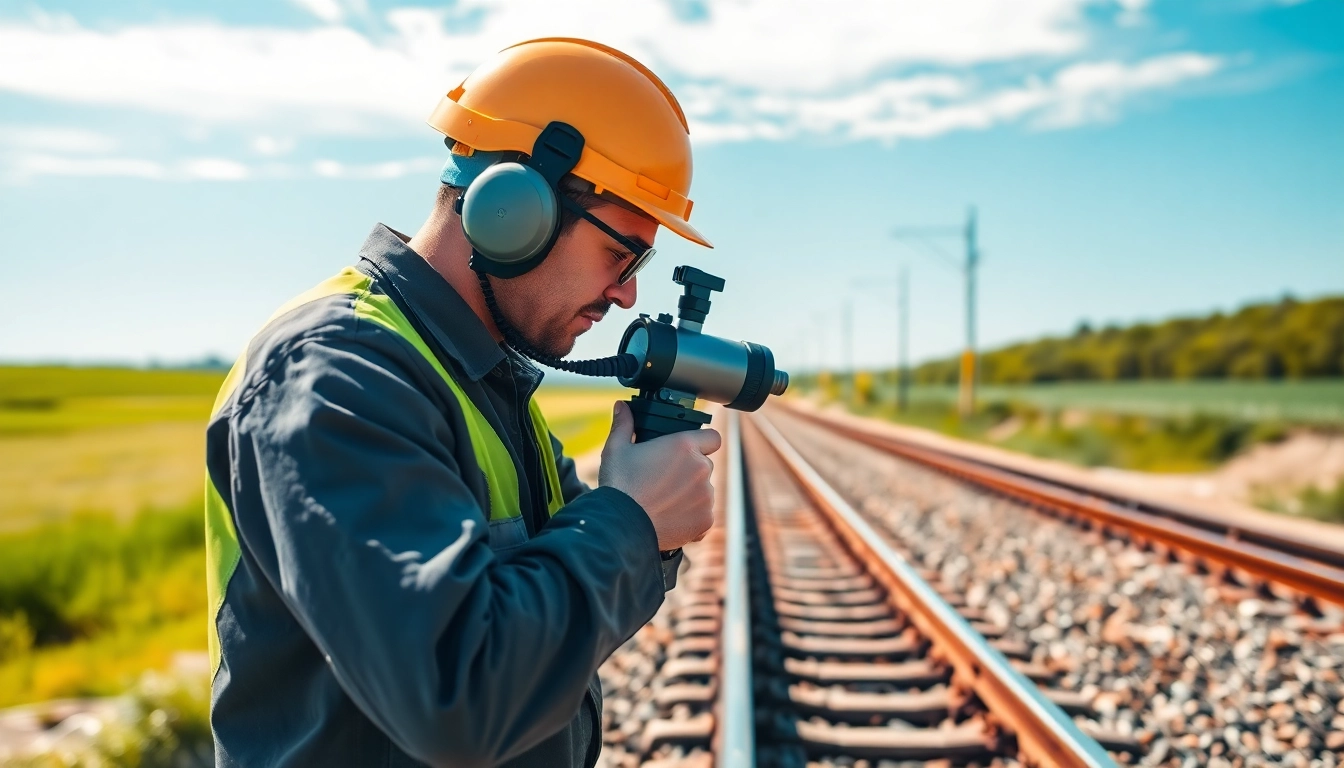
Track inspection refers to the systematic examination of railway track infrastructure to ensure it meets safety and operational standards. This process involves evaluating various components of the track, including the rails, ties, and ballast. Inspections can be visual, or they may utilize advanced technologies like ultrasonic testing and laser scanning. The objective is to identify any issues, such as wear, cracks, or misalignments, that could compromise the safety and efficiency of rail operations.
Importance of Regular Track Inspection
Regular track inspection is crucial for maintaining the integrity of railway systems. This practice helps prevent accidents and service disruptions by allowing for early identification of potential issues. Beyond safety, consistent inspections improve the overall performance of the railway by ensuring that trains can operate at optimal speeds. Furthermore, adhering to regulatory standards often mandates routine inspections, which can also protect organizations from liability and costly repairs in the long run.
Types of Track Inspection Techniques
Track inspections can be categorized into several types based on methodology:
- Visual Inspections: Conducted manually by trained personnel who walk the tracks to visually assess conditions.
- Ultrasonic Testing: Utilizes sound waves to detect internal defects within the rail material that may not be visible.
- Track Geometry Measurements: Involves the use of specialized equipment to evaluate the alignment, elevation, and curvature of tracks.
- Laser Scanning: Employs laser technology to create detailed 3D models of track structures, facilitating precise measurements and assessments.
- Drones: An emerging technique that utilizes unmanned aerial vehicles to survey large stretches of track from above, providing comprehensive visual data.
Key Best Practices in Track Inspection
Using Technology for Track Inspection
Incorporating technology into track inspection processes has revolutionized the field. Tools like automated inspection trains are capable of scanning entire lengths of rail while collecting data on track conditions. In addition, the use of drones for aerial inspections and machine learning algorithms for data analysis can enhance both accuracy and efficiency. These technologies not only expedite the inspection process but also reduce the incidence of human error, leading to more reliable results.
Implementing Consistent Schedules
Adhering to a consistent inspection schedule is paramount for effective track maintenance. Organizations should develop a timeline that reflects the frequency of inspections based on traffic levels, track age, and environmental conditions. High-traffic areas may require daily inspections, while less-trafficked routes might follow a weekly or monthly schedule. Regular assessments ensure that any emerging issues are detected and addressed promptly, prolonging the lifespan of the infrastructure and maintaining safety standards.
Training Personnel for Effective Inspections
The success of track inspection programs greatly depends on the training and expertise of inspection personnel. Comprehensive training should encompass both theoretical knowledge and practical skills. This can include understanding the latest inspection technologies, recognizing potential defects, and knowing how to document findings effectively. Ongoing training programs can further enhance employee proficiency and ensure that the workforce keeps up with evolving inspection methods and tools.
Common Challenges in Track Inspection
Environmental Factors Affecting Inspections
Environmental conditions can significantly impact the effectiveness of track inspections. Weather events such as heavy rain, snow, or extreme temperatures can obscure visibility and make it dangerous to perform manual inspections. Therefore, having contingency plans that include indoor inspections or using technology that is less affected by external conditions is essential. Additionally, organizations should consider scheduling inspections during favorable weather to maximize efficiency and safety.
Equipment Limitations and Solutions
While several advanced tools are available for track inspection, limitations still exist. Older equipment may not provide the accuracy needed, leading to these instruments missing critical defects. To overcome this, organizations must invest in regular upgrades and procure new technologies that are more reliable and efficient. Furthermore, regular calibration and maintenance of existing equipment ensure that it continues to function optimally.
Human Errors in Track Inspection
Human errors can have severe ramifications during track inspections. Relying solely on visual evaluations may lead inspectors to overlook subtle defects due to fatigue or judgement errors. Implementing a dual-inspection system, whereby one inspector supervises or verifies another’s findings, can mitigate these risks. Additionally, providing supportive technologies that guide inspectors through the process can help reduce reliance on memory and improve overall accuracy.
Case Studies: Successful Track Inspection Implementations
Innovative Solutions in Track Inspection
A notable case of innovation in track inspection involves the integration of machine learning algorithms to analyze large datasets obtained from inspections. For example, railway companies that have adopted these algorithms have reported a heightened ability to predict maintenance needs, thus enabling them to take a proactive approach. By leveraging vast amounts of historical data, organizations can identify patterns and foresee issues before they escalate, effectively optimizing maintenance schedules.
Measuring Improved Safety Outcomes
One critical aspect of successful track inspection implementations is the measurable improvement in safety outcomes. A specific rail network that increased its track inspection activities reported a 30% decrease in incidents after adopting a more rigorous inspection schedule combined with advanced technology. Implementing these best practices can translate directly into reduced derailments and accidents, establishing a more safe and reliable operational framework.
Adapting to Technological Changes in Track Inspection
The rapid evolution of technology presents both challenges and opportunities for track inspections. For instance, companies that swiftly adapted to using drone technology have not only increased the range of inspections but also reduced the time taken to survey extensive areas. Continuous education and training programs designed to keep personnel abreast of new technologies are vital for organizations aiming to enhance their track inspection capabilities.
The Future of Track Inspection
Emerging Technologies and Their Impact
The future of track inspection is poised for transformation through emerging technologies. Developments in artificial intelligence (AI) and the Internet of Things (IoT) are promising enhanced connectivity and data collection capabilities. For example, smart sensors embedded within track components can continuously monitor conditions and automatically alert maintenance teams to any anomalies, shifting the industry toward predictive maintenance models.
Integrating AI into Track Inspection Processes
AI integration is likely to redefine the approach to track inspections. By employing machine learning, organizations can analyze vast datasets to identify trends and propose maintenance schedules tailored to specific local conditions. The emergence of AI-driven analytics tools will streamline decision-making processes, enabling operators to deploy resources more effectively while enhancing railway safety and efficiency.
Long-term Trends to Monitor in Track Safety
As the railway industry evolves, certain long-term trends will shape track inspection methodologies. Sustainability is increasingly important, as companies seek eco-friendly solutions for inspection and maintenance. Additionally, the ongoing digitization of infrastructure will play a significant role, leading to heightened data transparency and collaboration between various stakeholders in the railway sector. Staying informed about these trends will empower organizations to adapt their track inspection strategies accordingly.
FAQs:
What is the primary purpose of track inspection? Track inspection is vital for ensuring railway safety and performance by identifying and addressing defects or maintenance needs.
How often should track inspections occur? Regular inspections are recommended based on usage, with more frequent checks in high-traffic areas to ensure safety.
What tools are essential for effective track inspection? Key tools include ultrasonic testing devices, laser scanners, and visual inspection cameras for thorough assessments.
Can technology improve track inspection accuracy? Yes, advancements such as drones and AI can enhance accuracy and efficiency in track inspections.
What are common pitfalls in track inspection? Common issues include inadequate training, overlooking areas due to environmental conditions, and relying too heavily on outdated equipment.
Contact Information
Call Us:(855) 920-8722Email: [email protected]Address: 350 Fossil Creek Boulevard, Suite 106, Fort Worth, TX, United States, Texas