Understanding the Basics of Selfie Taking
Taking a perfect Selfie requires understanding various elements that contribute to capturing an engaging image. While many assume that a simple click of a button will suffice, the art of selfie taking encompasses more than just pointing and shooting. From lighting to camera angles, a great selfie combines technique and creativity, providing a snapshot that reflects not only the moment but also the personality of the subject. In this comprehensive guide, we’ll explore essential components, tips, and techniques to elevate your selfie game.
What Makes a Great Selfie
A great selfie is more than just a picture; it’s an expression of yourself. Key elements that define an exceptional selfie include:
- Authenticity: Authenticity resonates with viewers. Show your personality, emotions, or a candid moment that reflects 'you'.
- Composition: The framing and alignment of your selfie should draw the viewer's eye towards your face. Consider the rule of thirds for a more dynamic image.
- Quality: Ensure that the image is sharp and clear. A pixelated or blurry photo diminishes the impact of your selfie.
Importance of Lighting and Angle
Lighting is arguably the most critical factor in photography, and selfies are no exception. Natural light is ideal, as it tends to illuminate the face evenly, reducing shadows. Here are some lighting tips:
- Golden Hour: The golden hour, which occurs shortly after sunrise and before sunset, offers soft, warm light that flatters most skin tones.
- Artificial Light: If you're shooting indoors or at night, use soft lighting instead of harsh overheads. A ring light can enhance your features.
In terms of angles, the most flattering position is often slightly above eye level. This perspective enhances facial features and reduces the appearance of double chins.
Choosing the Right Setting for Your Selfie
Context matters when it comes to selfies. Selecting an engaging background can elevate your photo. Here are some considerations:
- Clean Backgrounds: Avoid clutter that distracts from the main subject: you. Opt for natural settings, simple walls, or captivating landscapes.
- Seasonal Themes: Incorporate seasonal elements—like flowers in spring or fall foliage—to add depth and context to your selfies.
Techniques to Enhance Your Selfie
Utilizing Props for a Unique Touch
Props can bring creativity to your selfie, making it more visually appealing and fun. Here are some ideas:
- Fashion Accessories: Sunglasses, hats, or scarves add an element of style.
- Seasonal Items: Use flowers, snow, or holiday decorations to create a thematic touch.
- Everyday Objects: Coffee cups, books, or musical instruments serve as great personal touch.
Incorporating Creative Filters and Edits
In the digital age, enhancing your selfie with selective filters can achieve a polished look. Here’s how to do it effectively:
- Subtle Adjustments: Adjust brightness, contrast, and saturation to sharpen the image without altering your natural features.
- Filter Selection: Use filters that complement your skin tone and maintain authenticity. Avoid dramatic, over-the-top edits.
Engaging with Background Elements
Your background has the power to enhance the story your selfie tells. Engage your surroundings creatively by:
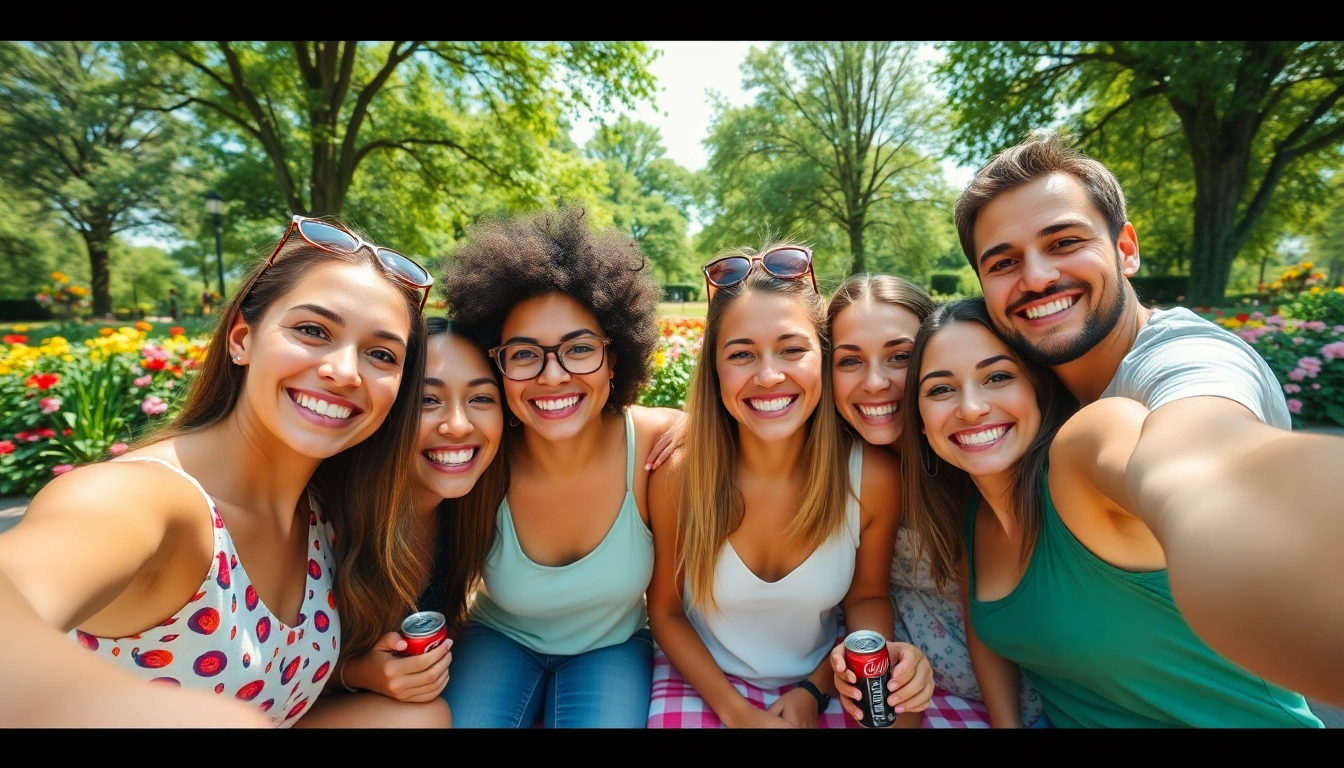
- Framing Yourself: Use natural elements like trees or benches to frame your image and create depth.
- Dynamic Interactions: Incorporate movement or interact with your background by posing with landmarks or natural features.
Common Mistakes in Selfie Taking
Overlooking Composition and Framing
Many selfies fail due to poor composition. To avoid this, implement the rule of thirds by aligning your face along the gridlines of an imaginary portfolio within the photo. Cropping is vital too; ensure your face occupies a substantial part of the image while keeping your eyes on the top third.
Neglecting Your Facial Expression
Your expression can convey a range of emotions. Instead of stiff smiles, aim for natural looks that exhibit genuine feelings or candid moments. Practice poses in the mirror, and try not to force a smile—let it come naturally.
Using Excessive Editing Tools
Though editing can enhance your selfie, excessive use can lead to unrealistic outcomes. Aim for minimal editing that highlights your best features without masking your identity. Avoid excessive skin smoothing or drastic reshaping, as authenticity is crucial.
Advanced Selfie Techniques
Experimenting with Photography Styles
Dare to be creative. Experiment with different photography styles such as:
- Black and White: Monochrome selfies can emphasize emotion and contrast.
- Double Exposure: Combining two images can create stunning effects.
Understanding Smartphone Camera Settings
Familiarize yourself with your smartphone's camera settings—adjust focus, exposure, and shooting modes (such as portrait mode) to harness their full potential.
Incorporating Action Shots
Why not add variety? Action shots can depict you engaging in your favorite activities, capturing movement and life. Here are some ideas:
- Sporting Activities: Capture yourself while playing sports—this adds dynamism and energizes your selfies.
- Traveling: Show yourself exploring new locations, making your selfies more engaging and narrative.
FAQs About Selfies
How can I find the best lighting for my selfies?
Natural light, especially during golden hour (after sunrise or before sunset), provides optimal conditions for flattering selfies.
What's the optimal angle for capturing a selfie?
Hold your camera slightly above eye level and tilt it downwards to capture a flattering angle that enhances facial features.
How can I edit my selfies without overdoing it?
Adjust brightness, contrast, and sharpness while avoiding heavy filters that can distort natural features.
What props work well in selfie photos?
Use everyday items like sunglasses, hats, or seasonal elements like flowers to add interest and context to your selfies.
Are there specific backgrounds to avoid in selfies?
Avoid cluttered or distracting backgrounds that overshadow you. Simple, clean settings enhance your photo's impact.